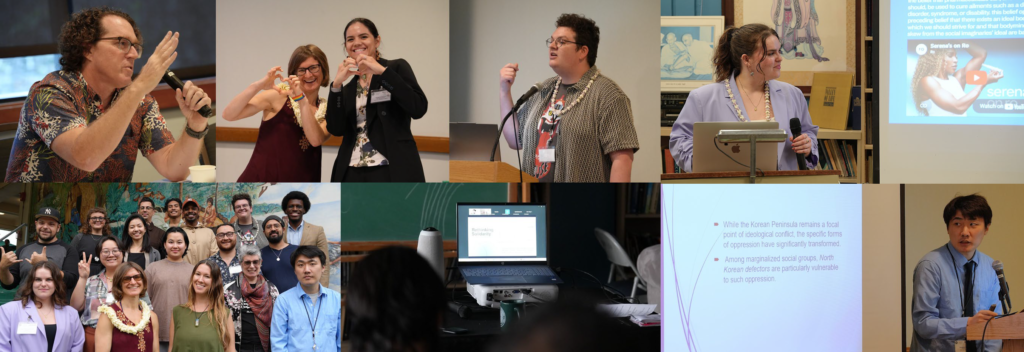
On March 12–13, 2026, the Uehiro Philosophy Graduate Student Conference was held at the University of Hawaiʻi at Mānoa Campus Center under the theme “Philosophies at the Margins.” Bringing together presenters from around the world, the conference offered a substantial and timely program devoted to voices, traditions, and problems that have often been pushed to the margins of philosophical discussion.
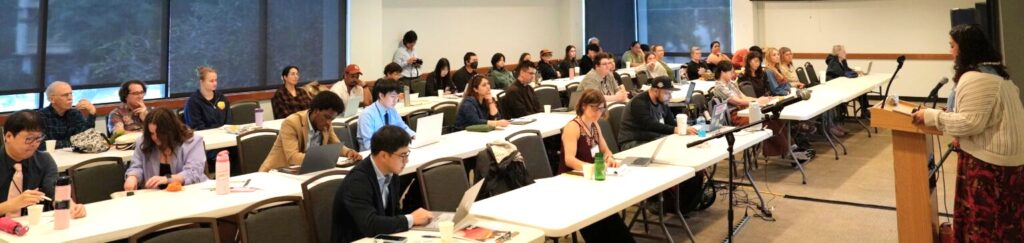
The conference successfully fulfilled its central aim of drawing attention to marginalized perspectives while creating space for rigorous philosophical engagement with some of the most urgent issues of the contemporary world.
The opening presentation introduced Hawaiʻi in the context of colonial history and considered the significance of cultural resistance in response to political and historical injustice. Another powerful presentation, given by an Iranian woman graduate student, addressed both the tragic conditions faced under the ongoing attacks on Iran and the longer history of state-level persecution of women.
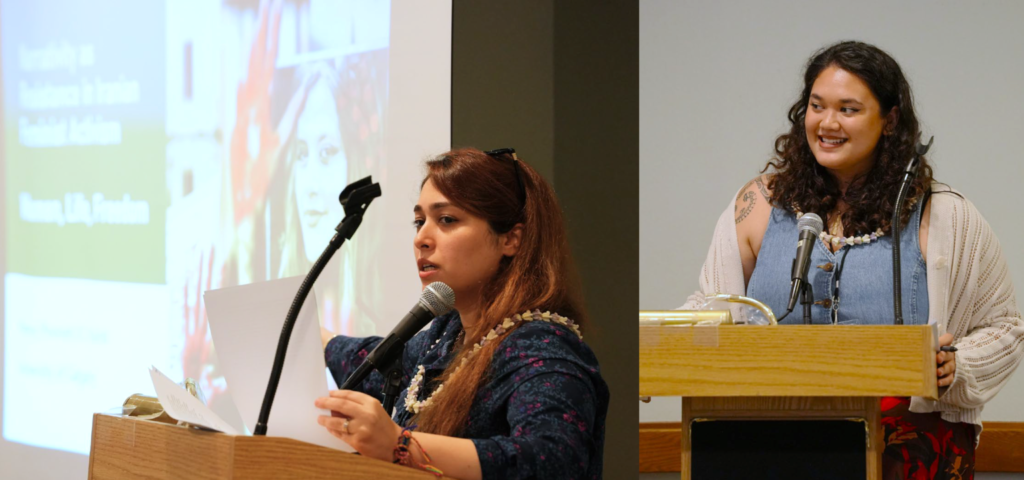
Other Day 1 presentations examined such topics as the intersectional oppression faced by North Korean women defectors, philosophical questions surrounding queerness and accidentality, and environmental ethics. The talks set the tone for a conference marked by seriousness of purpose, intellectual openness, and a strong sense of contemporary relevance. Participants engaged in open and thoughtful discussion in an atmosphere that was lively, respectful, and intellectually safe. The first day concluded with a keynote lecture by Dr. Georgi Gardiner (Tulane University), titled “Tarot: Sparking Philosophical Conversations in Contemporary Countercultures.” By taking up tarot cards as an example of a countercultural practice rarely treated within mainstream philosophy, Dr. Gardiner offered a stimulating and memorable lecture on the relationship between philosophy, knowledge, and self-understanding.
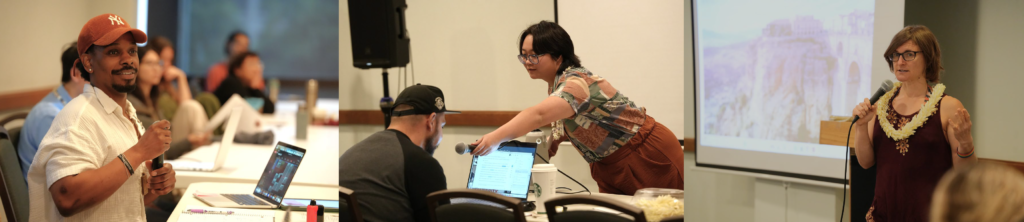
The second day of the conference was affected by severe weather that resulted in the closure of the UH Mānoa campus. Under these difficult circumstances, the conference continued successfully through a rapid transition to an online format, together with arrangements that preserved an in-person component in a safe space.
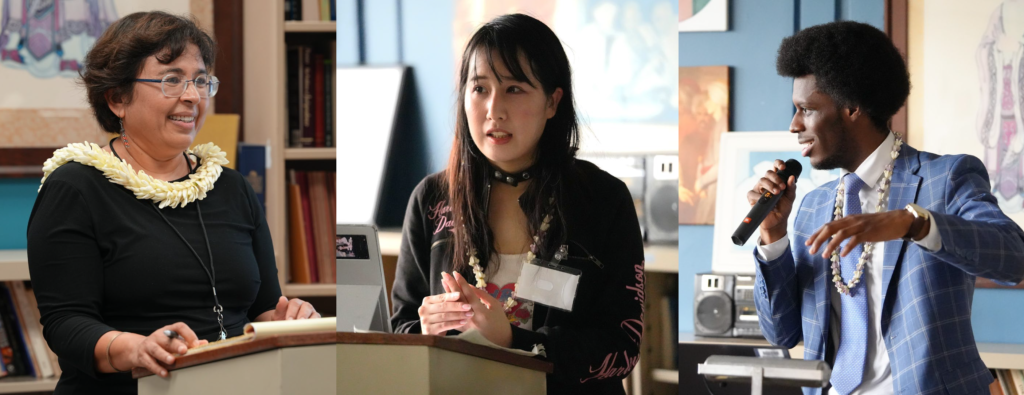
The morning session opened with a keynote lecture delivered by Dr. Keya Maitra, Lenney Distinguished Professor at the University of Hawaiʻi at Mānoa. Her lecture offered a wide-ranging overview of Indian philosophy and the history of its study, addressing topics from the emergence of orthodox and heterodox
traditions to the effects of colonialism and postcolonial developments on philosophical scholarship, including the influence of nationalism on philosophical thinking. Graduate student presentations on Day 2 continued with great energy, addressing topics ranging from the influence of pharmaceutical marketing on body image and philosophical responses to suicidism to hermeneutical lacunas and the recognition of subaltern voices, race and transcendental apperception in American philosophy, epistemological questions surrounding solidarity, and tantric feminist interpretations of Śakti as philosophical praxis. The sessions showed the breadth of contemporary philosophical work being done by emerging scholars and led to highly productive question-and-answer discussions.
The conference concluded with a keynote lecture by Dr. Dwight K. Lewis, Jr. (University of Minnesota, Twin Cities), who reflected on racism both in philosophical literature and contemporary life and examined the unacknowledged dominance and hierarchy of “white philosophy” within Western philosophical traditions. His observations extended to Hawaiian history and the role the University of Hawaiʻi can play. Dr. Lewis’s lecture also emphasized the importance of diversifying the materials and perspectives of philosophical inquiry, securing places of refuge to sustain efforts to bring about fundamental change, and building strategic solidarity in resisting entrenched structures of exclusion and discrimination.
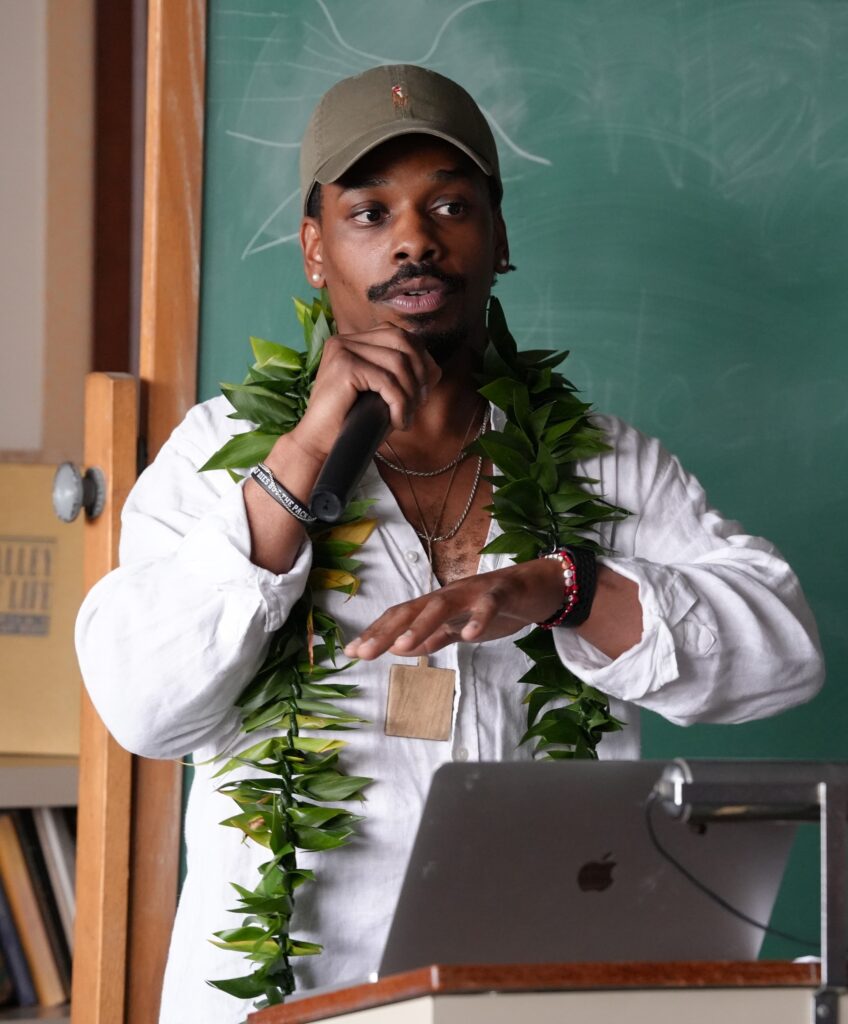
This year’s conference stood out not only for the contemporary urgency of its themes but also for the seriousness and care with which participants approached them. It offered an important model of how philosophy can contribute to making injustice visible, expanding the range of voices included in scholarly discussion, and deepening reflection on how intellectual work can respond to the world’s most pressing realities.
On the day before the conference, a workshop titled “Wonderstruck: Celebrating the Work of Helen De Cruz” was held for undergraduate students. It welcomed participants from UH Hilo as well, adding a new and promising dimension to the conference’s ongoing development.