
The 37th Annual School of Pacific and Asian Studies Graduate Conference took place on April 1–2, 2026, at the Center for Korean Studies at the University of Hawaiʻi at Mānoa. Graduate students from UH Mānoa welcomed participants from 13 other institutions, including the University of Virginia, University of Arizona, University of the Philippines-Diliman, Northwestern University, University of British Columbia, The New School, University of Michigan, College of San Mateo, Harvard University, Free University of Berlin / Waseda University, University of Hong Kong, UCLA, and Kyoto University.
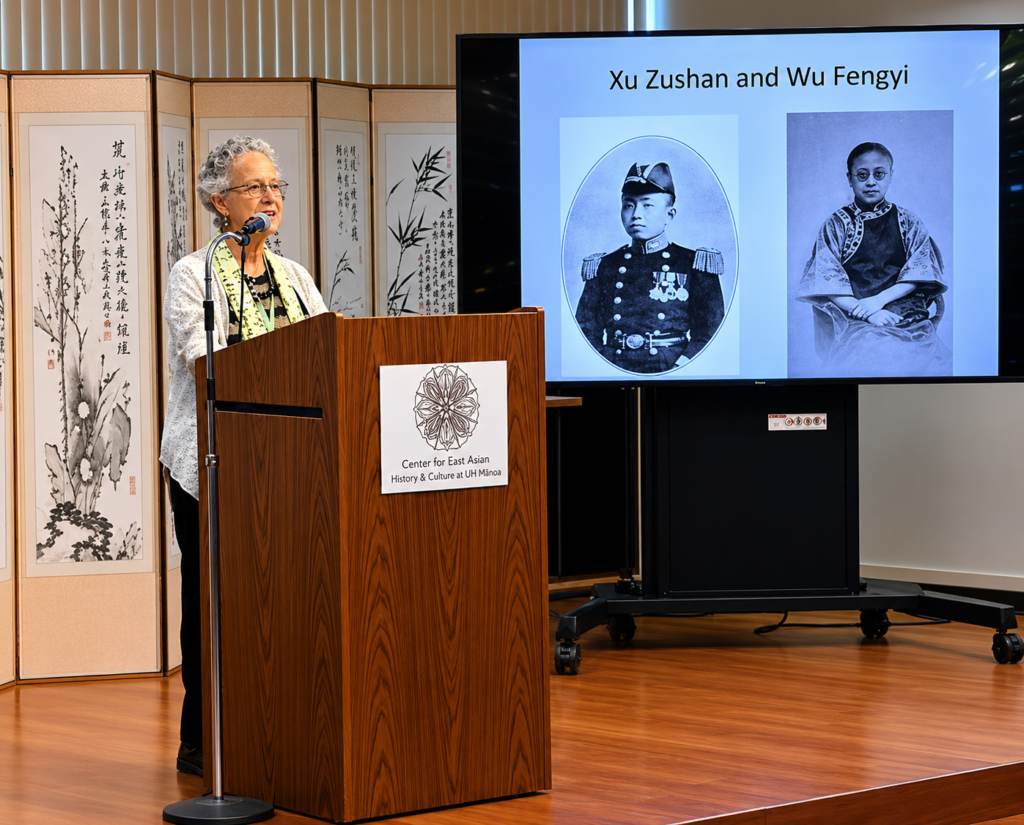
The conference was organized around the theme “Weaving Webs: Encounters, Exchanges, and Emerging Worlds in Asia,” seeking to rethink Asia as a dynamic web of intersecting relations. The event featured a compelling keynote lecture by Dr. Gail Hershatter of the University of California, Santa Cruz, titled “His-and-Hers Revolutions in Early Twentieth Century China,” which examined gendered transformations following the 1911 Revolution. Additionally, a special invited session titled “Between the Pajaro Valley and Ilocandia” featured Dr. Meleia Simon-Reynolds and Dr. Kathleen Cruz Gutierrez, who discussed the Watsonville is in the Heart initiative, a project documenting the 1930 anti-Filipino race riots and the resilience of migrant agrarian communities.
The conference allowed for the thoughtful and enthusiastic sharing of academic ideas and featured research in a range of areas across several themed panels. Discussions explored the dissemination of ideas across Asian borders; the lived experiences of exile, cooperation, and resistance among immigrants; and how state and non-state actors navigate digital environments and surveillance systems. Further panels delved into how media and performance function as sites of global flow, while the final sessions brought critical attention to environmental criticism, non-human activities, and Indigenous ethics. Faculty members from Asian Studies, History, and Religious Studies at UH Mānoa moderated the panels, fostering an engaged environment for critical exchange.
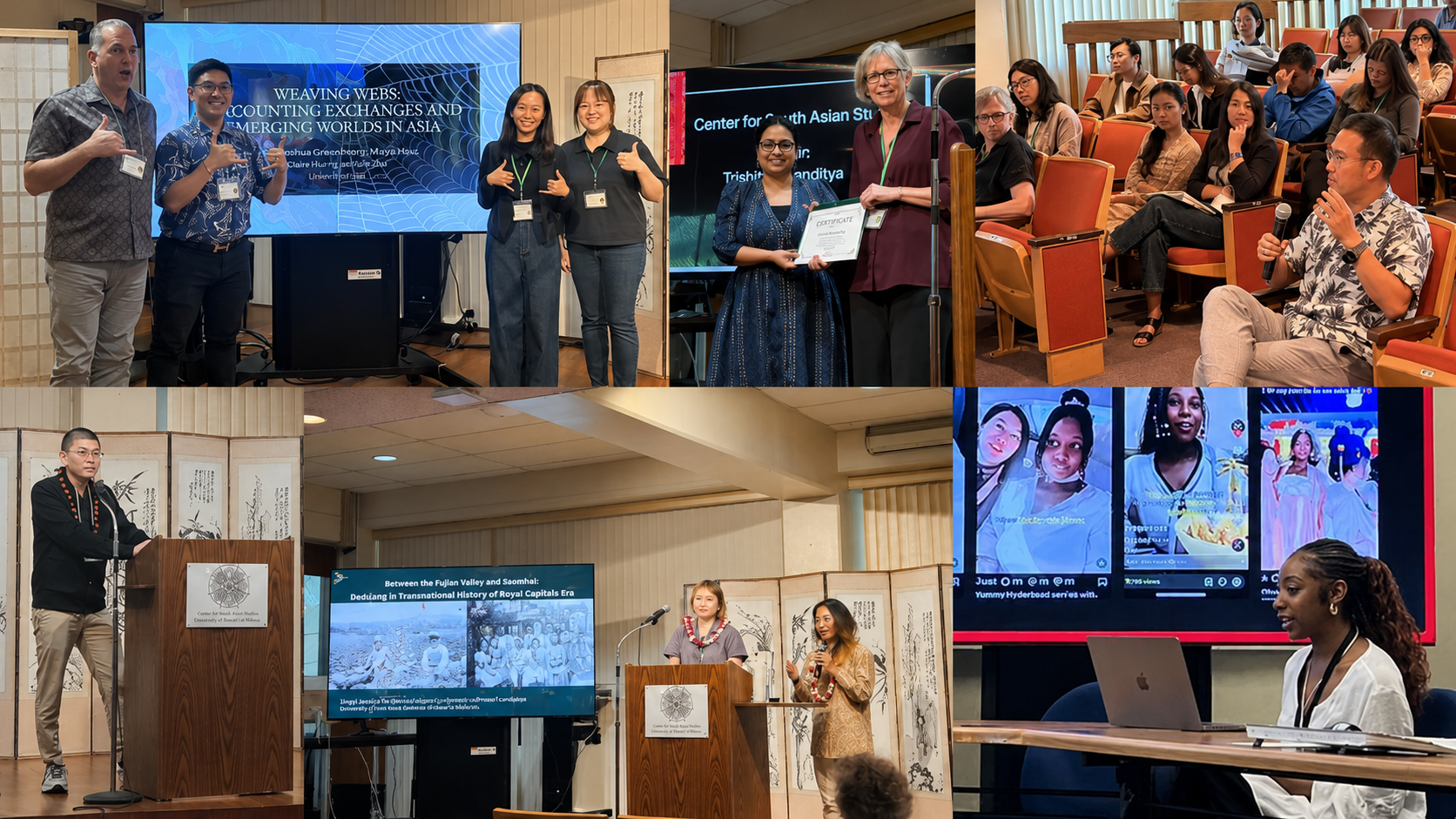
At the conference’s closing ceremony, Best Paper Prizes were awarded to recognize the academic rigor and excellence of the student presenters. The event concluded with a vibrant cultural performance by the Halla Huhm Dance Studio, marking the close of the two-day academic and cultural exchange. Feedback from participants and attendees was overwhelmingly positive, highlighting the diversity of research areas and the supportive, productive environment provided for emerging scholars. Working with the CALL Uehiro Program, the conference highlighted marginalized and diverse perspectives, expanding the range of voices in scholarly discussion. Working with the CALL Uehiro Program, the 2026 SPAS Graduate Conference created a valuable space for scholarly exchange across the American-Pacific region and beyond, allowing participants to develop their work within a supportive community of peers and contributing to the conference’s success.