
Report by Yuka Chubachi (Second Language Studies)
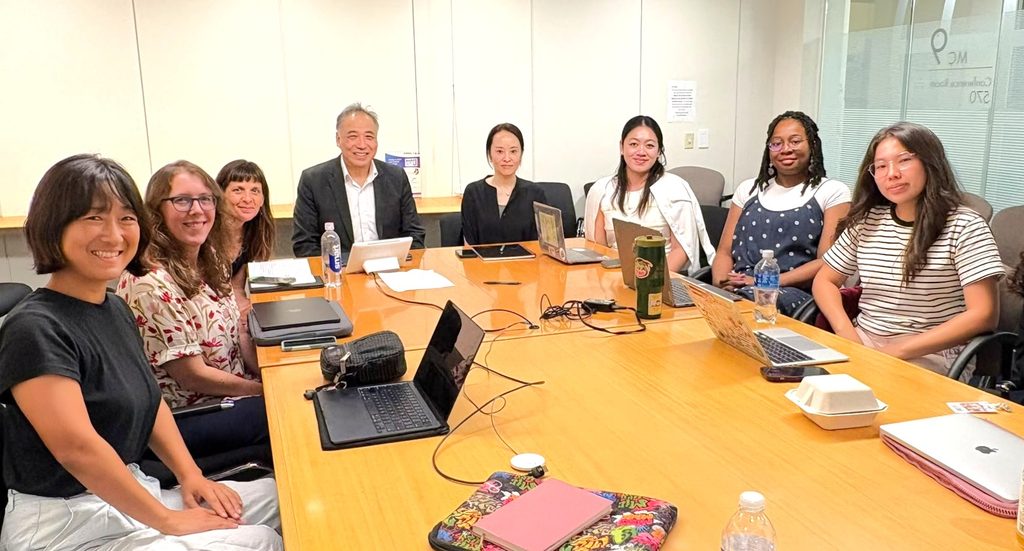
From August 3 to 7, 2026, I participated in an intensive field-based learning experience for EDEF 671: Capacity Building in Human Resources: Global Educational Partnership. With support from the CALL Uehiro Travel Award, I visited and learned from professionals at the World Bank and the Inter-American Development Bank (IDB) in Washington, D.C., as well as experts from UNICEF, the Global Partnership for Education (GPE), FHI 360, CARE, and government ministries.
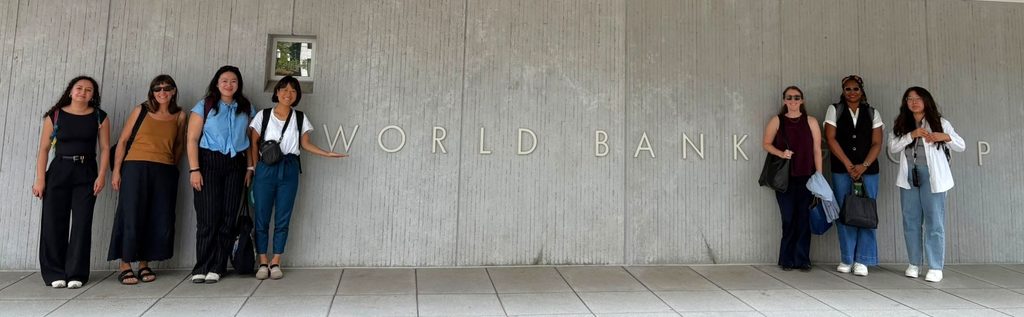
The most valuable aspect of this experience was gaining a deeper understanding of how international organizations contribute to educational development. At the World Bank, I learned about human capital, learning poverty, foundational learning, TVET, early childhood development, and education-sector projects in regions including Africa, South Asia, Eastern Europe, and the Middle East. Presentations by education specialists also helped me understand how research, data, policy dialogue, financing, and technical assistance are connected in the development process. I was particularly interested in the idea that education should be viewed not only as a social service but also as a long-term investment in human capital.
The sessions on projects in Sudan, Cambodia, Ukraine, Uganda, and other countries also highlighted the importance of understanding education within its political, social, economic, and cultural contexts. I learned how conflict, displacement, gender inequality, and limited resources can affect both access to and the quality of education. The session on Education in Emergencies especially broadened my perspective on the role of education during crises. The visit to the IDB further helped me understand how international organizations use both financial and non-financial instruments, including knowledge products, technical cooperation, and policy dialogue, to support education systems.
These experiences were highly relevant to my own research interests in Collaborative Online International Learning (COIL), Project-Based Language Learning (PBLL), intercultural competence, and internationalization in Japanese high schools. I gained a broader perspective on how educational initiatives can be connected to global development goals and evidence-based policy. My goal is to develop sustainable COIL projects in high schools where
students have limited opportunities to use the target language authentically, helping to promote more equitable access to international learning opportunities regardless of students’ financial, health, or geographic circumstances.